How Is Eyelid Surgery Performed?
Eyelid surgery is typically an outpatient procedure that can be performed under a general or local anesthetic. Excess skin is removed from the upper eyelid through a small incision along the natural crease of your eyelid. Lower lid skin and fat may be removed with a small incision just under the lashes, or the fat only may be removed through an incision just inside the lower lid, leaving an invisible scar. This procedure usually takes one to two hours, depending on whether both upper and lower lids are treated. Most patients return home the same day to begin recovery.
What Does Recovery After Eyelid Surgery Entail?
The recovery time for eyelid surgery can often range from from three to ten days. Although there is usually very little discomfort after eyelid surgery, the degree of swelling and bruising can vary based on the individual and the surgical technique used. Cold compresses and prescribed medications can help manage discomfort and reduce swelling. It is important to follow post-operative instructions, avoid strenuous activities, and protect your eyes from sun exposure during the healing process.
What Kind of Results Can Be Expected from Eyelid Surgery?
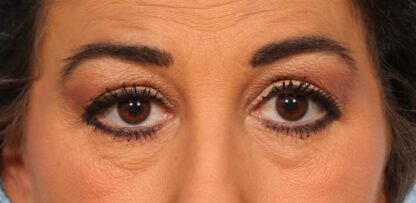
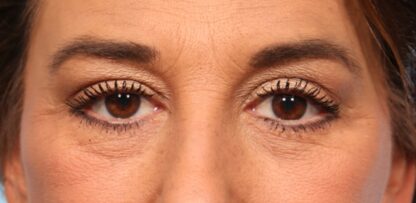
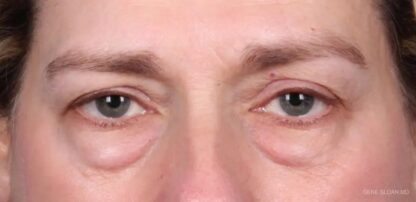
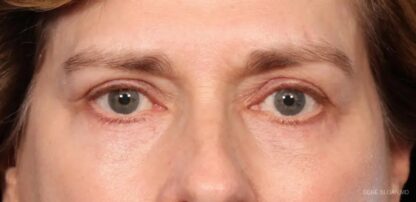
Eyelid surgery can create a more youthful and alert appearance by removing excess skin, reducing puffiness, and smoothing wrinkles around the eyes. Upper eyelid surgery may also improve vision if sagging skin was obstructing your visibility, while lower eyelid surgery often reduces under-eye bags and shadowing. Although the natural aging process continues, most patients enjoy long-lasting, refreshed results. Final outcomes typically become noticeable as swelling diminishes, generally within a few weeks to a few months after the procedure.
What Procedures Complement Eyelid Surgery?
Many patients choose to pair eyelid surgery with other facial procedures for more comprehensive, balanced results. A brow lift is a popular combination, as it can address sagging eyebrows that contribute to a heavy-looking upper eyelid area. Facelift surgery is another common pairing, since it targets sagging in the midface, jawline, and neck that eyelid surgery alone can’t correct. Some patients also add non-surgical treatments including BOTOX® Cosmetic or dermal fillers to smooth fine lines around the eyes or restore lost volume in the cheeks and temples. Laser skin resurfacing can further improve skin texture and tone around the eyes.
Combining procedures during a single recovery period may be more convenient and cost-effective, though Dr. Sloan can help determine which combination best suits your goals and anatomy.
Are There Alternatives to Eyelid Surgery?
For patients who aren’t ready for surgery or have milder concerns, several non-surgical alternatives can help refresh the eye area. BOTOX® Cosmetic injections can soften crow’s feet and lift the brow slightly, indirectly improving the appearance of hooded eyelids. Dermal fillers can help restore volume to hollow under-eye areas, reducing the appearance of shadows and bags without incisions. Chemical peels and laser resurfacing can improve fine lines and skin texture. However, these options typically offer subtler, temporary results compared to surgery and won’t remove significant excess skin or fat.
A consultation with Dr. Sloan can help determine whether a non-surgical approach fits your goals or if eyelid surgery would better achieve the results you want.